Stop unauthorized access before it ships
ajar catches broken authorization, privilege escalation, IDOR, and subscription tier bypasses by reasoning about what your code is supposed to do
We understand your code like a Security Engineer, tracing business logic, mapping cross-service data flows, and surfacing real vulnerabilities, fixing them autonomously.
ajar catches broken authorization, privilege escalation, IDOR, and subscription tier bypasses by reasoning about what your code is supposed to do
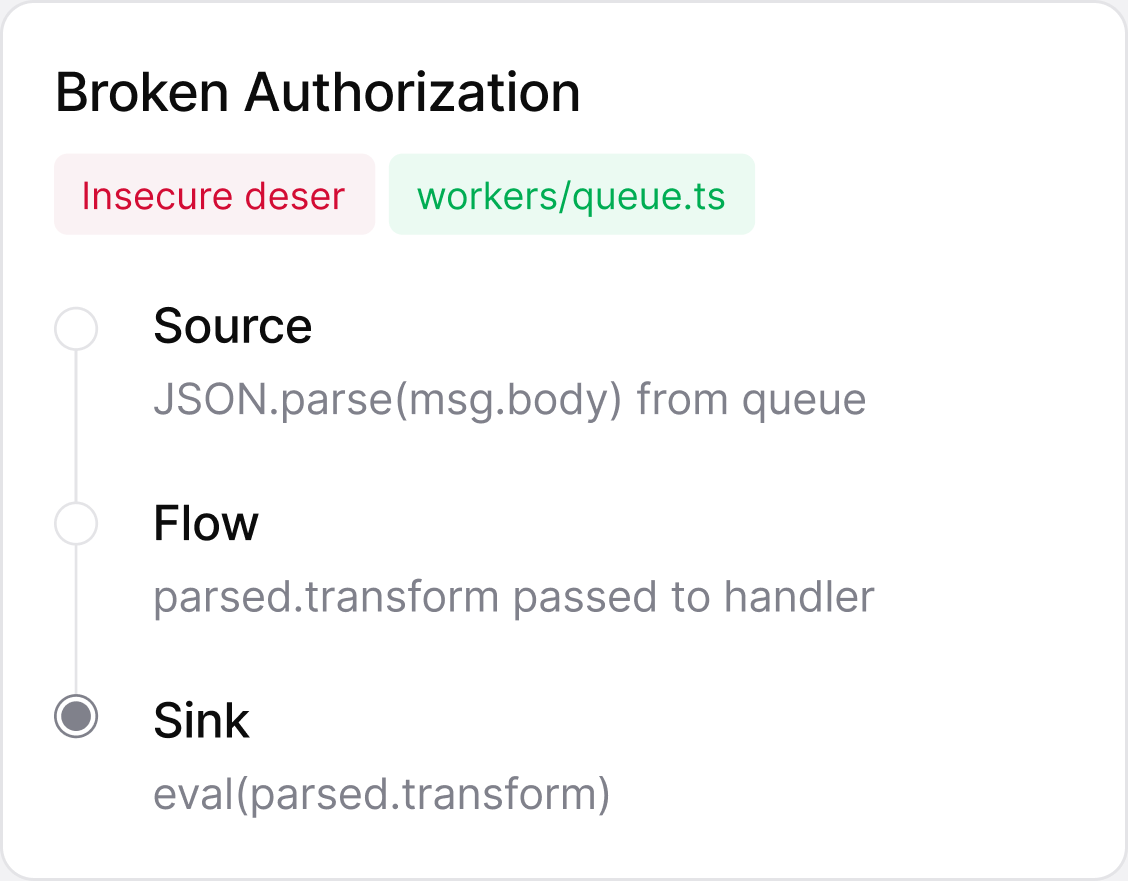
ajar maps data flows across service boundaries, exposing attack paths that only exist between components—where an input in one service reaches a vulnerable sink in another.
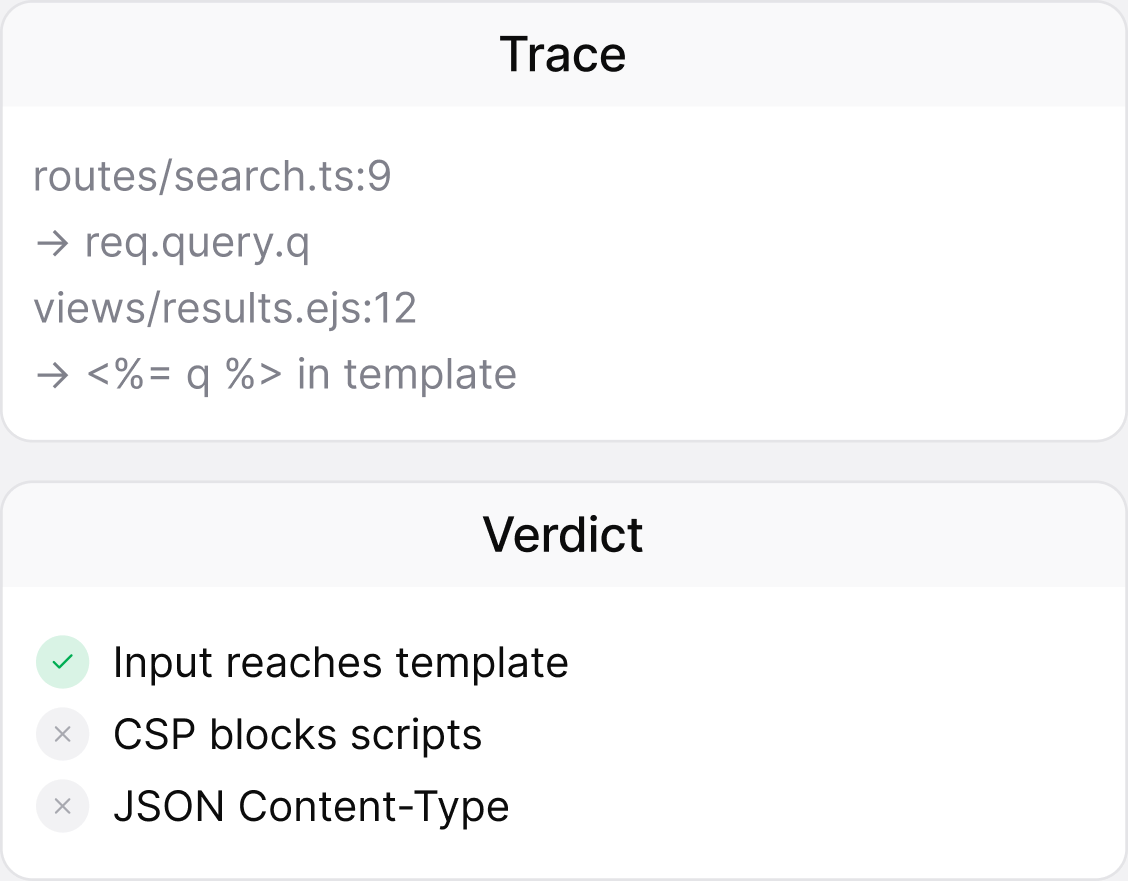
ajar connects individual low-severity findings into exploitable paths by mapping how weak points chain together through your application’s data flows and control logic.
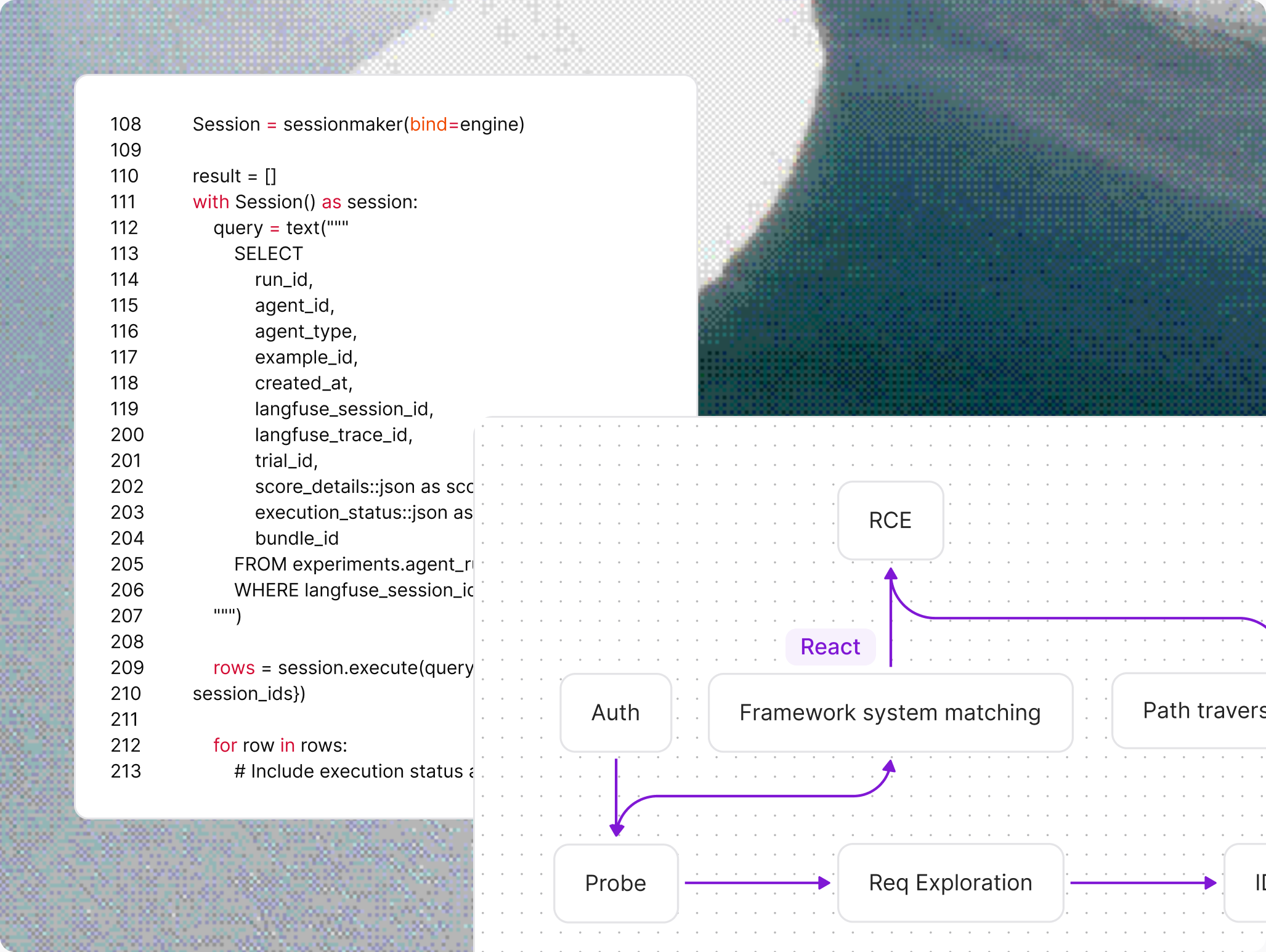
Surface broken authorization, privilege escalation, and logic flaws by analyzing data flow, service interactions, and runtime behavior across your codebase.
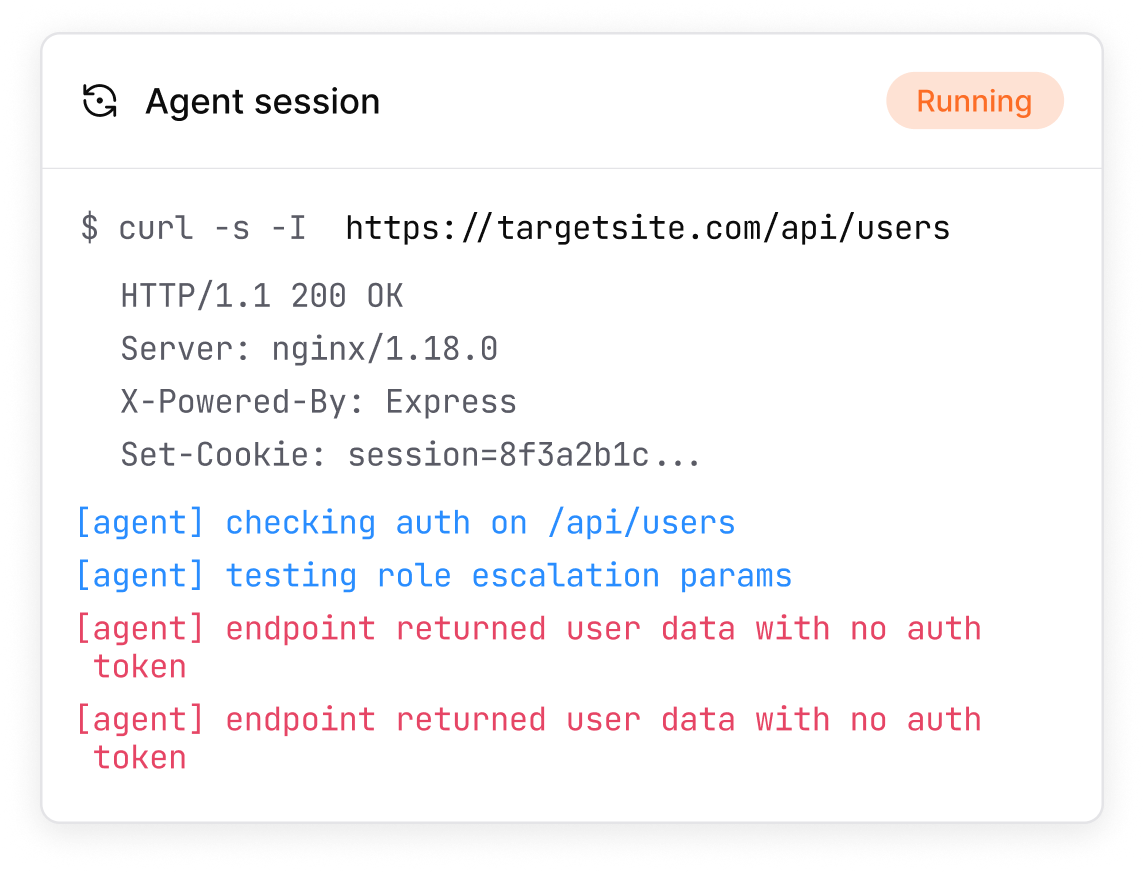
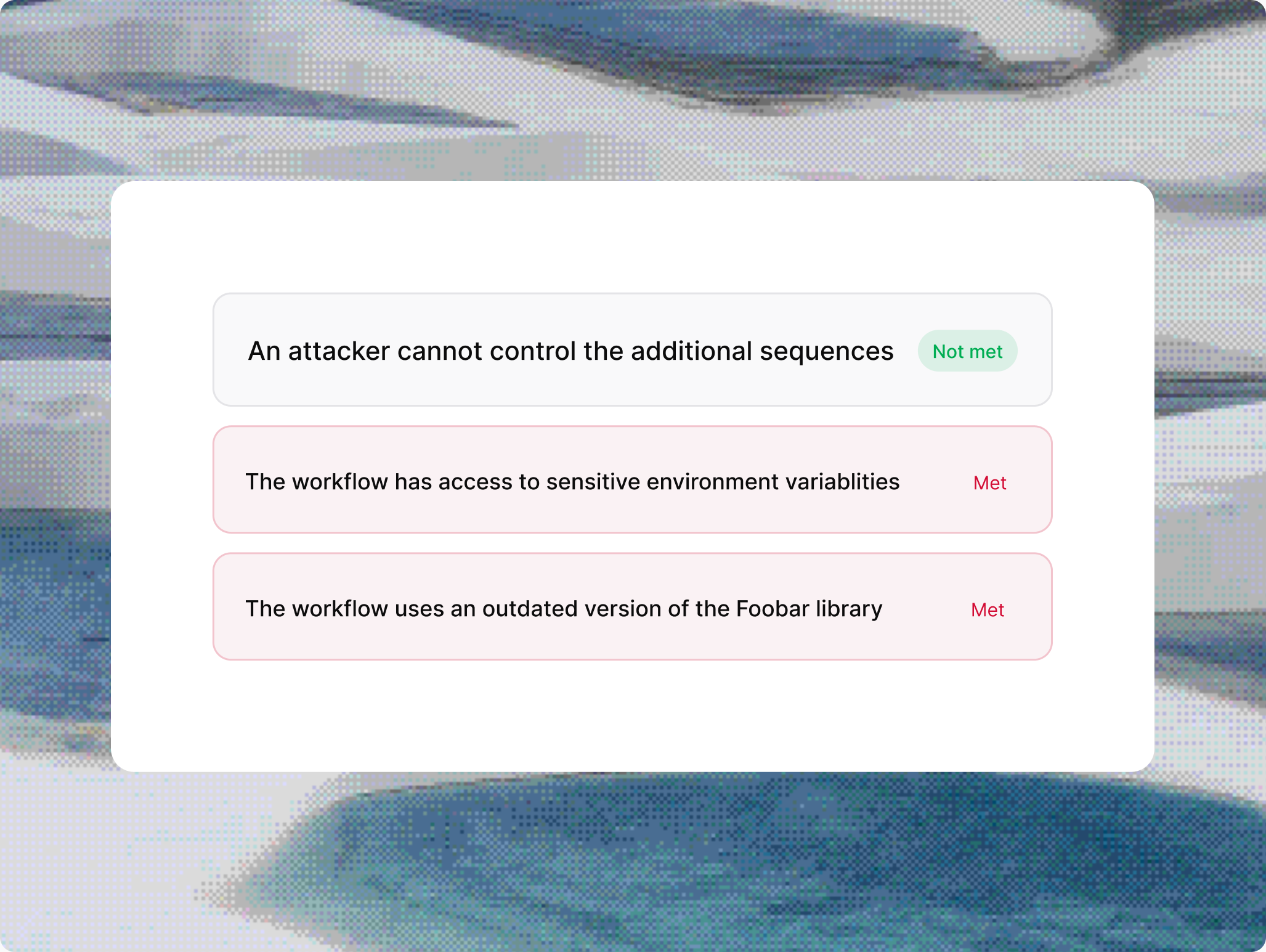
Eliminate false positives with full evidence trails and exploitation conditions. When conditions are met, ajar runs a dynamic test against your application to confirm the exploit.
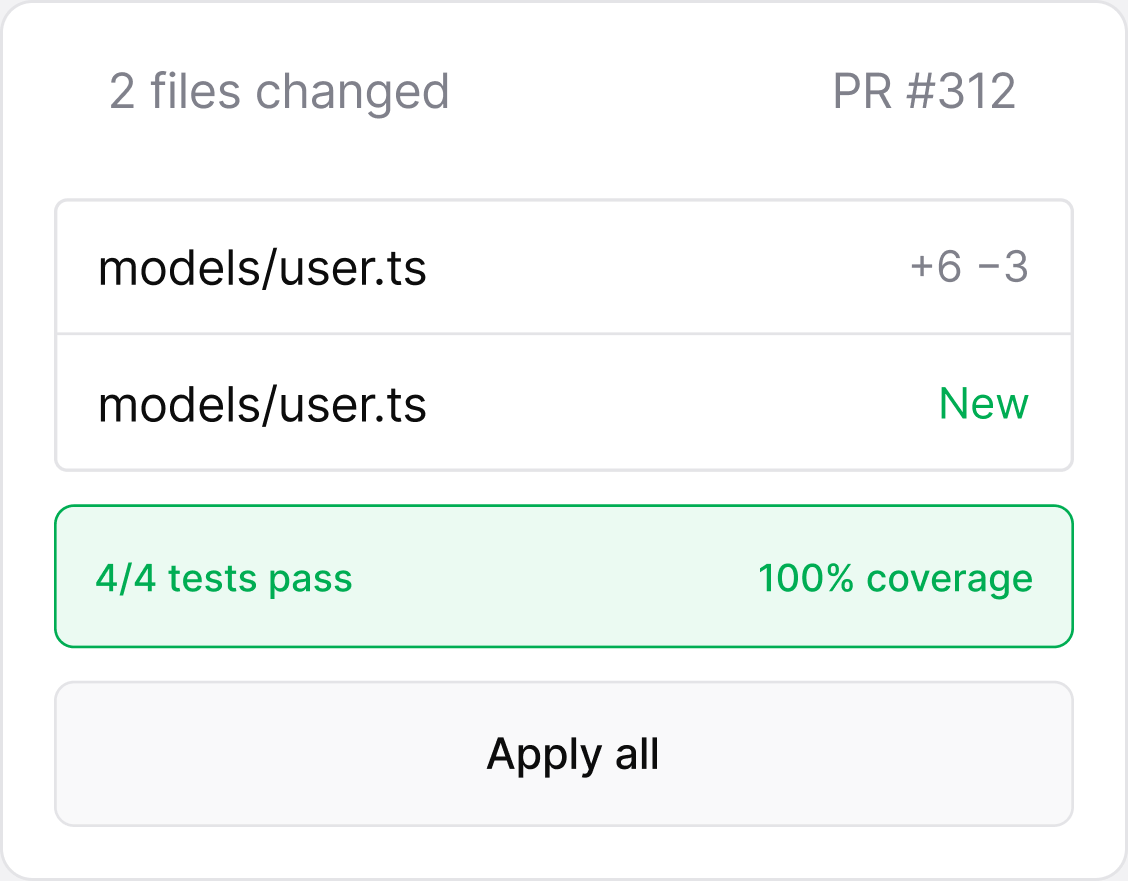
ajar writes the fix for every confirmed vulnerability, in your codebase’s conventions, and opens a pull request with the report and proof of concept attached. Your engineers review the patch and merge.
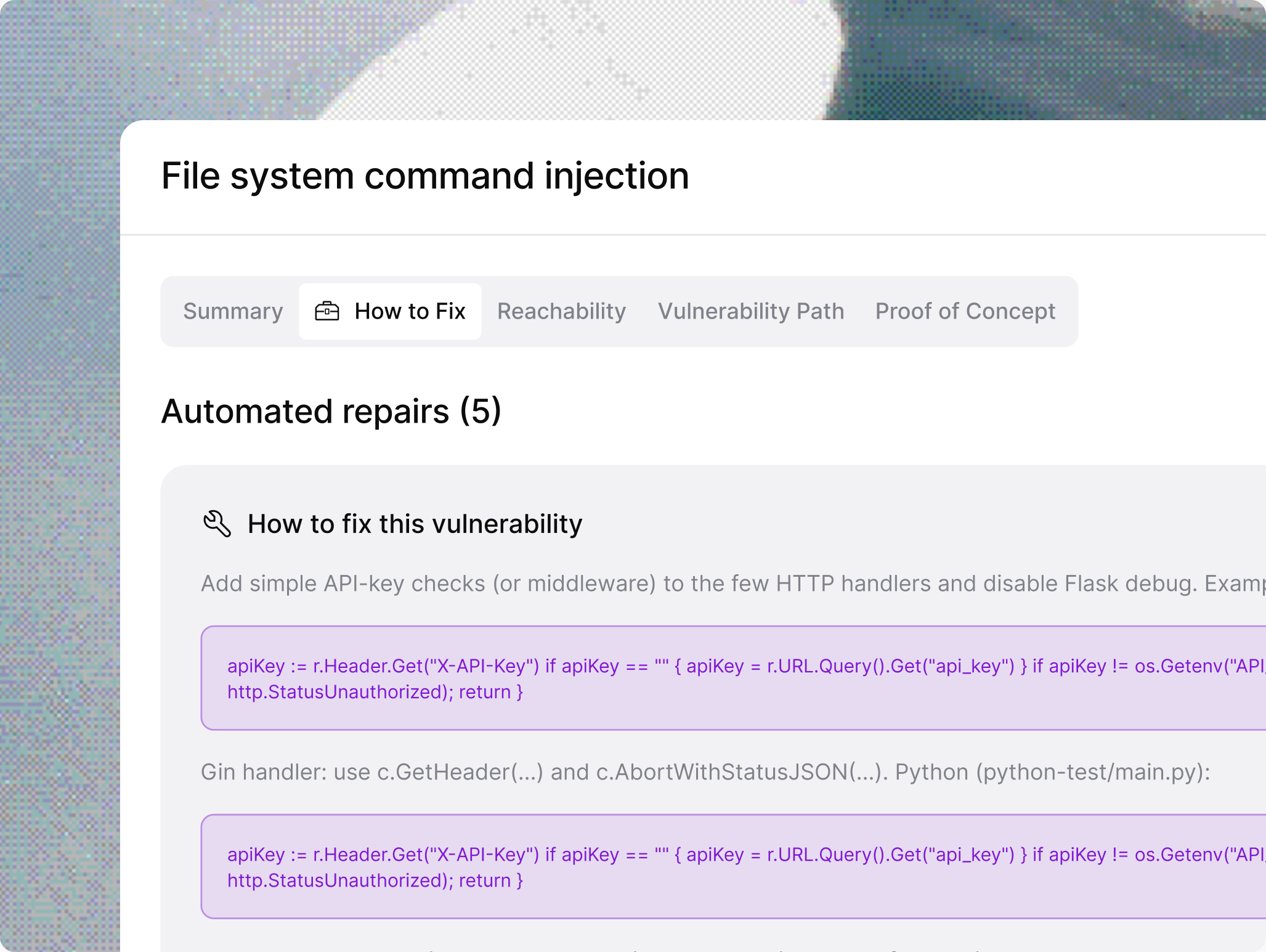
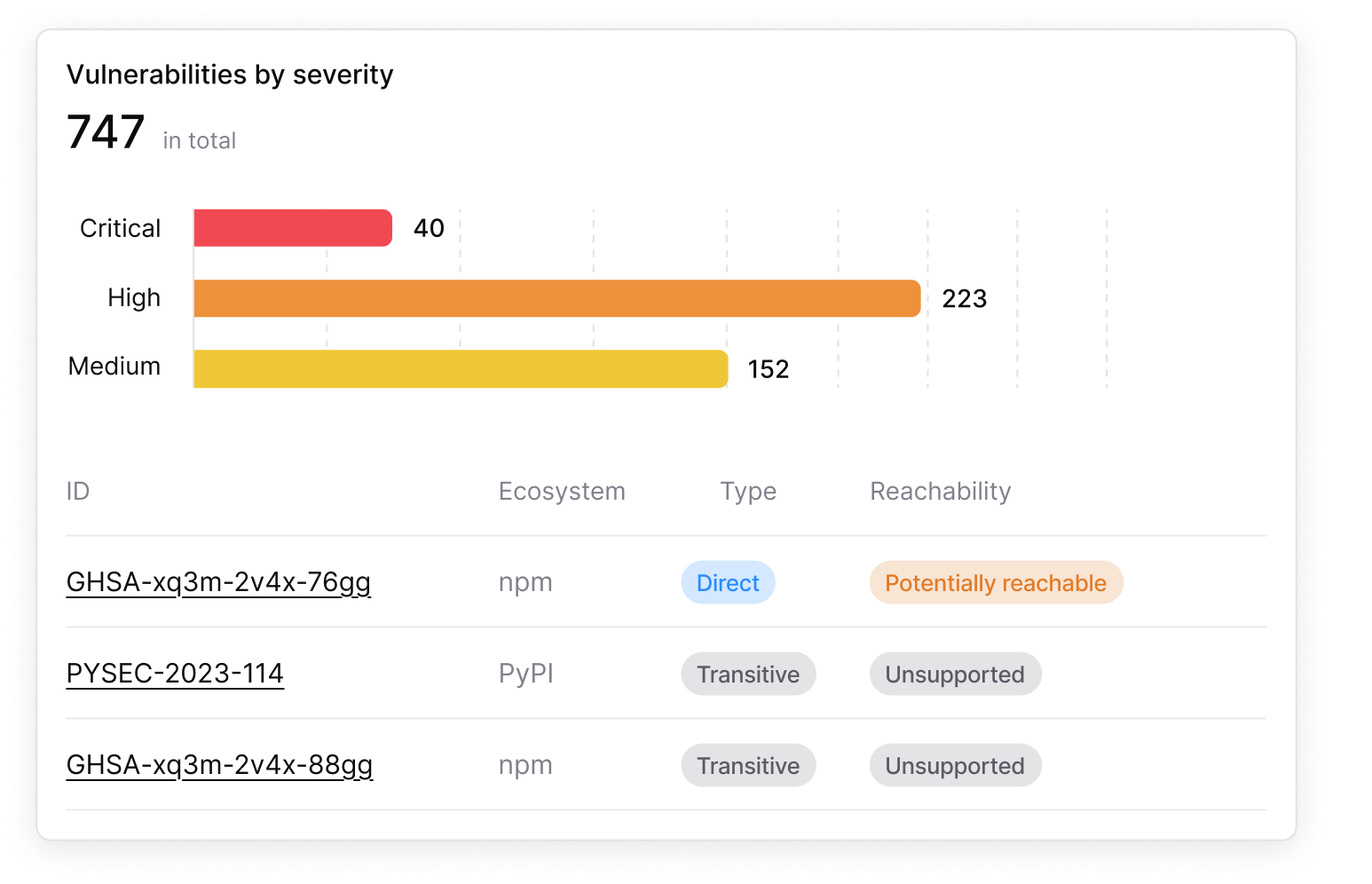
Analyze your entire codebase to surface the full landscape of vulnerabilities.
Run on every pull request in 2–5 minutes, catching new vulnerabilities before merge.
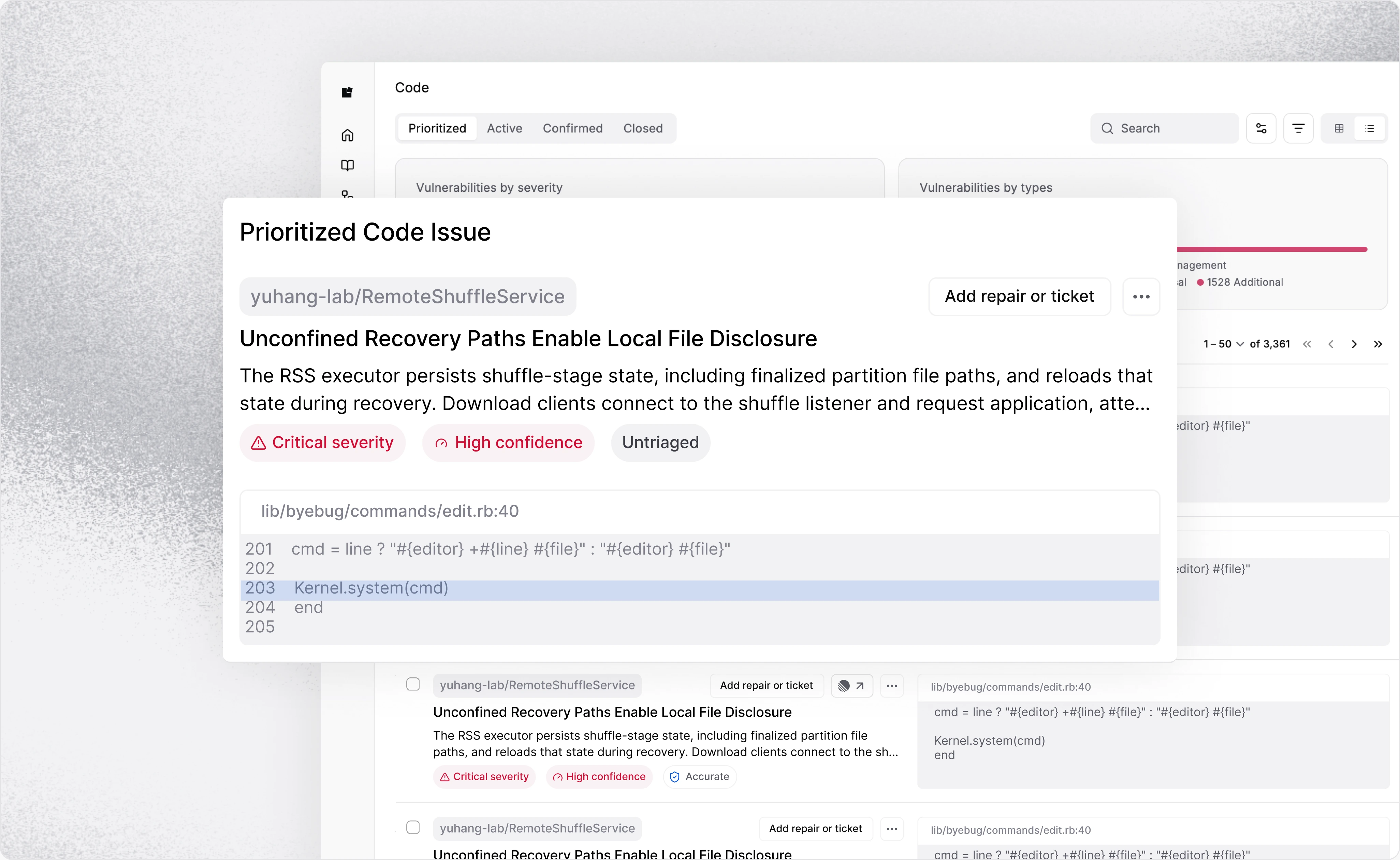
Findings surface as PR comments, and each fix arrives as a pull request with the report and proof of concept.
Developers give feedback directly in GitHub to train the system and improve scanning accuracy.
Human-signed reviews of the code that moves money, before you ship an upgrade, list a token or launch.
AI agents investigate deeply, reproduce every finding and fix it autonomously; a named reviewer signs the report, and fixes are re-checked.
Prove that what your signers and users run is the code you reviewed, and that nothing between commit and signature changed what gets signed.
ajar compares what you serve with a rebuild of the tagged commit, reviews dependency changes that touch signing, tests that what users see equals what they sign, and fixes release-pipeline gaps autonomously as pull requests.